May 12, 2026
The dream of a perfectly functioning facility is a common one for many building owners and operations managers. However, the reality of achieving that level of mechanical perfection often involves a grueling schedule of equipment maintenance, specialized knowledge, and constant vigilance against system leaks and thermal fluctuations. Managing a large-scale heating system is far more complex than simply turning a dial once a season during a routine inspection. It requires a deep understanding of pressurized vessels, fuel delivery safety, and the precise timing of sediment flushing. For those who find their operational goals swallowed by the demands of complex infrastructure, the assistance of a local commercial plumbing service becomes a transformative solution.
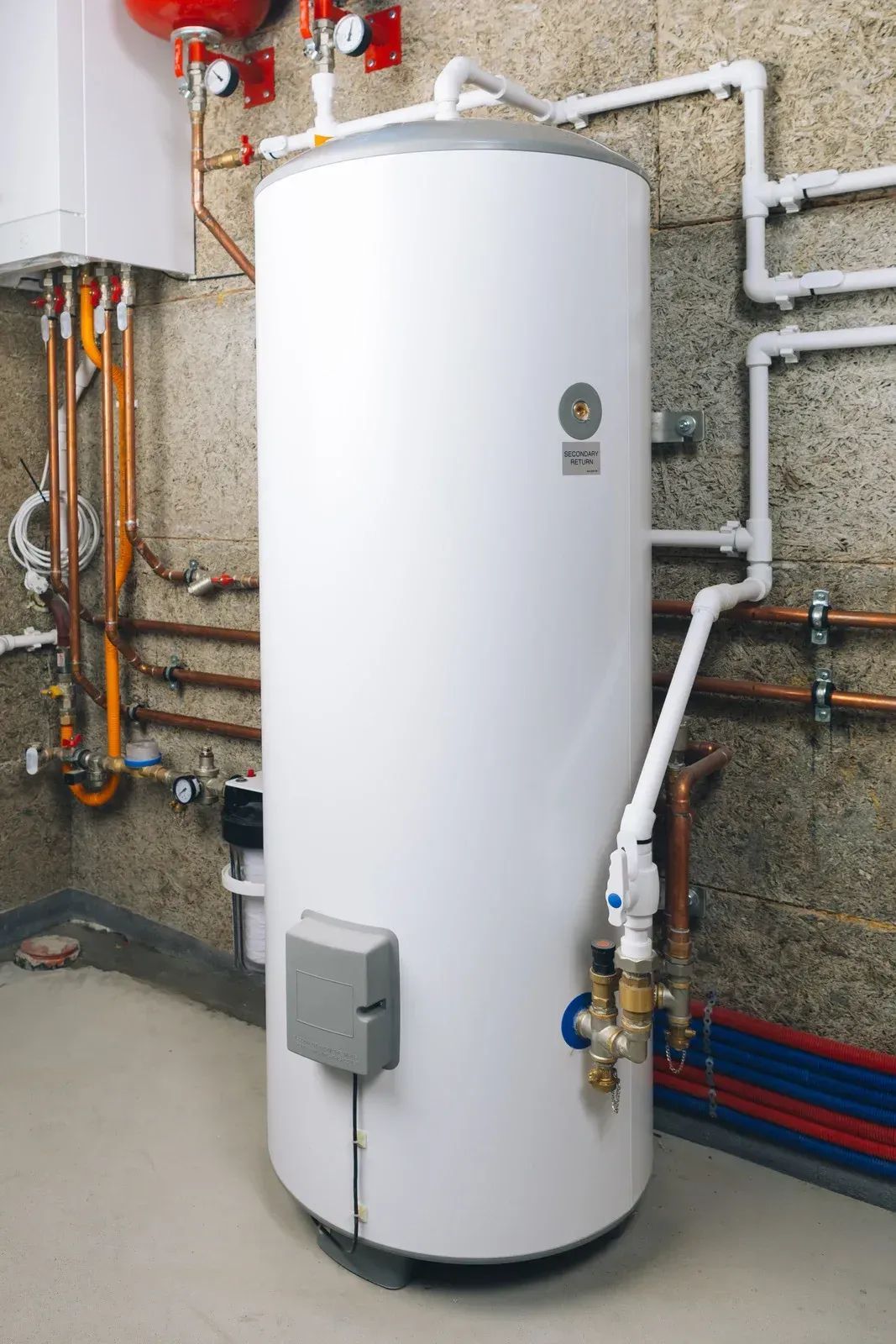
The availability of consistent hot water is a foundational requirement for diverse industries, from hospitality and healthcare to manufacturing and food service. Unlike residential units, which only serve a single household, industrial heaters must provide massive volumes of hot water on demand without compromising on safety or efficiency. When these systems falter, the impact ripples through the entire business, potentially halting production or violating health codes. Recognizing the nuances of these heavy-duty machines is essential for any professional responsible for maintaining a commercial property.
Evaluate System Capacity and Demand
The first step in understanding these large units involves an honest assessment of your hot water requirements. Commercial heaters are designed to handle much higher recovery rates than standard home models. This means they can heat large quantities of water back to the desired temperature very quickly after the tank has been emptied. If your business experiences peak hours with high usage, such as a gym with morning showers or a restaurant during the dinner rush, your system must be sized correctly to prevent lukewarm water from reaching the taps.
An undersized unit will be forced to run continuously, leading to premature wear on the heating elements or burners. Conversely, a unit that is too large for the building will waste energy keeping hundreds of gallons hot that never get used. Consulting with a local commercial plumbing service ensures that the calculations for your building are accurate. Professionals look at the number of fixtures, the peak demand periods, and the required temperature rise to determine the exact model that will serve your needs without inflating your monthly utility expenditures.
Understand Regulatory Efficiency Standards
Modern industrial heating equipment is subject to strict guidelines that promote environmental stewardship and cost savings. These rules ensure that the largest consumers of energy are using hardware that minimizes waste. According to the U.S. Department of Energy, the Federal Energy Management Program's acquisition guidance and associated ENERGY STAR efficiency requirements apply to commercial gas-fired storage water heaters with an input rate both greater than 75,000 British thermal units (Btu) per hour and less than 4,000 Btu/hr per gallon of stored water.
High-efficiency units often utilize condensing technology, which captures heat from exhaust gases that would otherwise be lost up the flue. While these systems might have a higher initial cost, the reduction in fuel consumption is significant over the life of the machine. Navigating these federal requirements can be daunting, but a knowledgeable local commercial plumbing service can help you select a model that meets all legal criteria while maximizing your return on investment.
Identify Common Mechanical Failures
Industrial environments are notoriously hard on plumbing hardware. Because these systems are often under constant pressure and high heat, components can degrade at an accelerated rate compared to residential counterparts. Being aware of the early warning signs of failure can save a business from an emergency shutdown. Common issues often start small, such as a slow drip from a temperature-pressure relief valve or a slight change in the color of the water.
Watch for these specific indicators of trouble:
- Strange rumbling or popping sounds are caused by mineral buildup in the tank
- Fluctuating water temperatures during periods of steady demand
- Visible corrosion on the outer shell of the tank or the connecting pipes
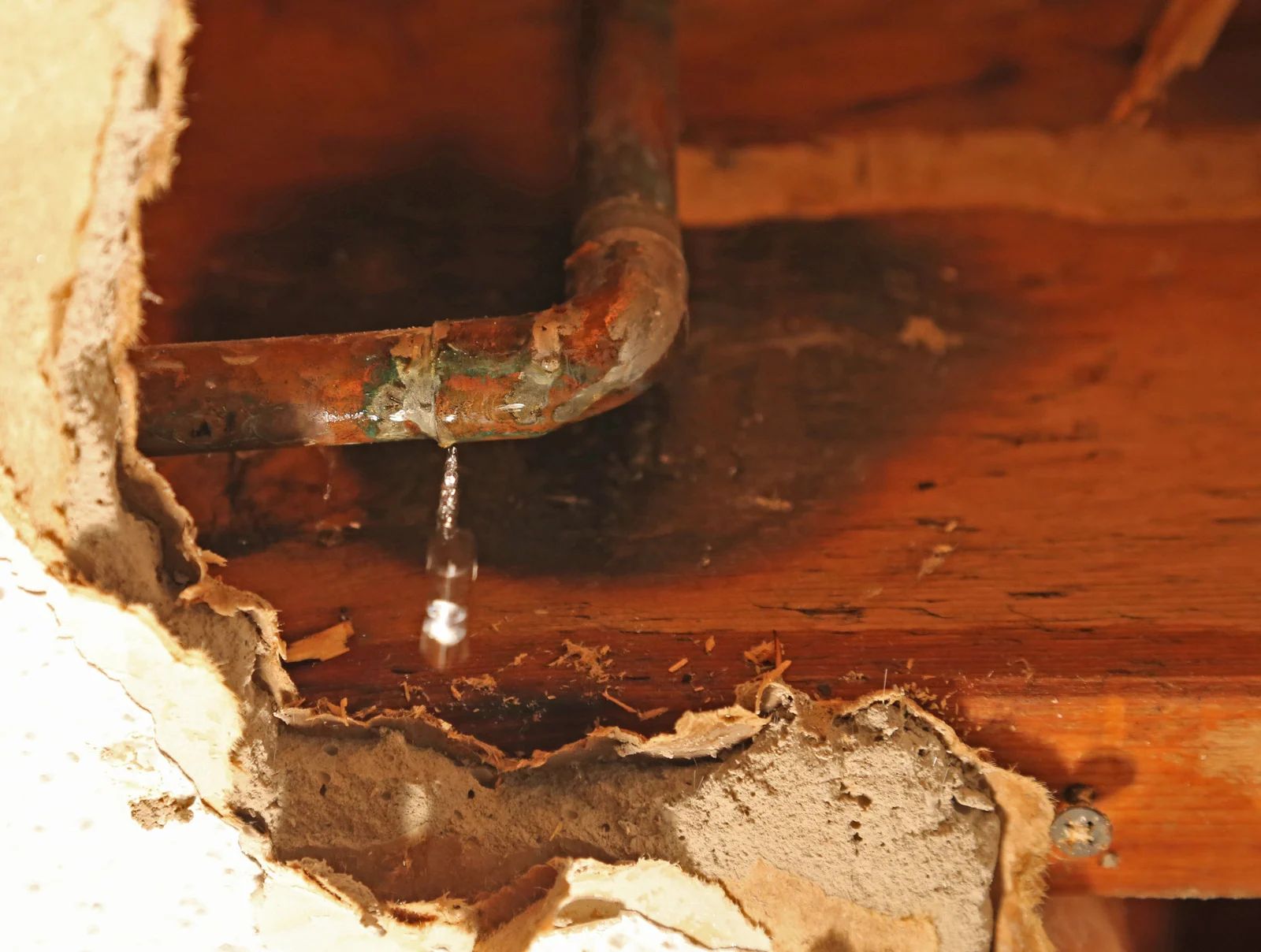
- Dampness or pooling water around the base of the heating unit
If you notice any of these signs, it is time to contact a local commercial plumbing service. Small leaks can lead to catastrophic tank failure if the internal lining has been compromised. Routine inspections allow technicians to replace sacrificial anode rods and check the integrity of the burners, extending the life of the system and preventing water damage to the surrounding facility.
Maintain Proper Temperature Control
In a commercial setting, water temperature is more than just a comfort issue; it is a matter of safety and sanitation. Health departments often mandate specific temperatures for dishwashing and laundry to ensure the eradication of bacteria. However, water that is too hot can pose a significant scalding risk to employees and guests. Balancing these needs requires the installation of high-quality mixing valves and precise thermostats that can hold a steady temperature regardless of the incoming water flow.
Proper temperature management also prevents the growth of harmful pathogens like Legionella, which can thrive in lukewarm water systems. A professional local commercial plumbing service can help you set up a recirculating system that keeps hot water moving through the pipes constantly.
Implement Proactive Maintenance Schedules
The longevity of a heavy-duty heater depends almost entirely on the consistency of its care. Because commercial units process thousands of gallons of water, they accumulate sediment much faster than smaller models. This layer of minerals at the bottom of the tank acts as an insulator, forcing the heating element to work harder to reach the water. Over time, this leads to overheating of the tank bottom and eventual structural failure.
A comprehensive maintenance plan typically includes:
- Periodic flushing of the tank to remove accumulated sand and minerals
- Testing of the safety valves to ensure they open during a pressure spike
- Inspection of the venting system to prevent carbon monoxide leaks
- Cleaning of the pilot assembly and burners to maintain fuel efficiency
By scheduling these tasks with a local commercial plumbing service, you move from a reactive posture to a proactive one. This approach minimizes the risk of unexpected breakdowns during your busiest hours and ensures that the equipment remains under warranty. Most manufacturers require proof of professional maintenance to honor claims, making these service visits a vital part of your risk management strategy.
Select Quality Replacement Equipment
No matter how well a system is maintained, there will eventually come a time when a replacement is necessary. The average lifespan of a hardworking industrial unit is shorter than many realize due to the sheer volume of water it treats. When the time comes to upgrade, you should consider the latest innovations in tankless technology or hybrid heat pump systems.
Working with an experienced local commercial plumbing service during the selection process allows you to see the latest data on reliability and performance. They can help you determine if your current gas lines and venting are sufficient for a higher-capacity model or if upgrades to the building infrastructure are required. A seamless installation process ensures that your business experiences minimal disruption and that the new system is calibrated perfectly for your specific flow requirements.
Protecting your facility means staying ahead of the mechanical challenges that come with large-scale water heating. By understanding the demands placed on your system and the importance of regular professional oversight, you can ensure a reliable supply of hot water for years to come. Whether you are managing a small retail space or a massive industrial complex, the quality of your plumbing support is the key to operational continuity. For expert guidance and reliable maintenance from a local commercial plumbing service, reach out to CZ Plumbing.