How One Plumbing Failure Can Shut Down an Entire Commercial Building
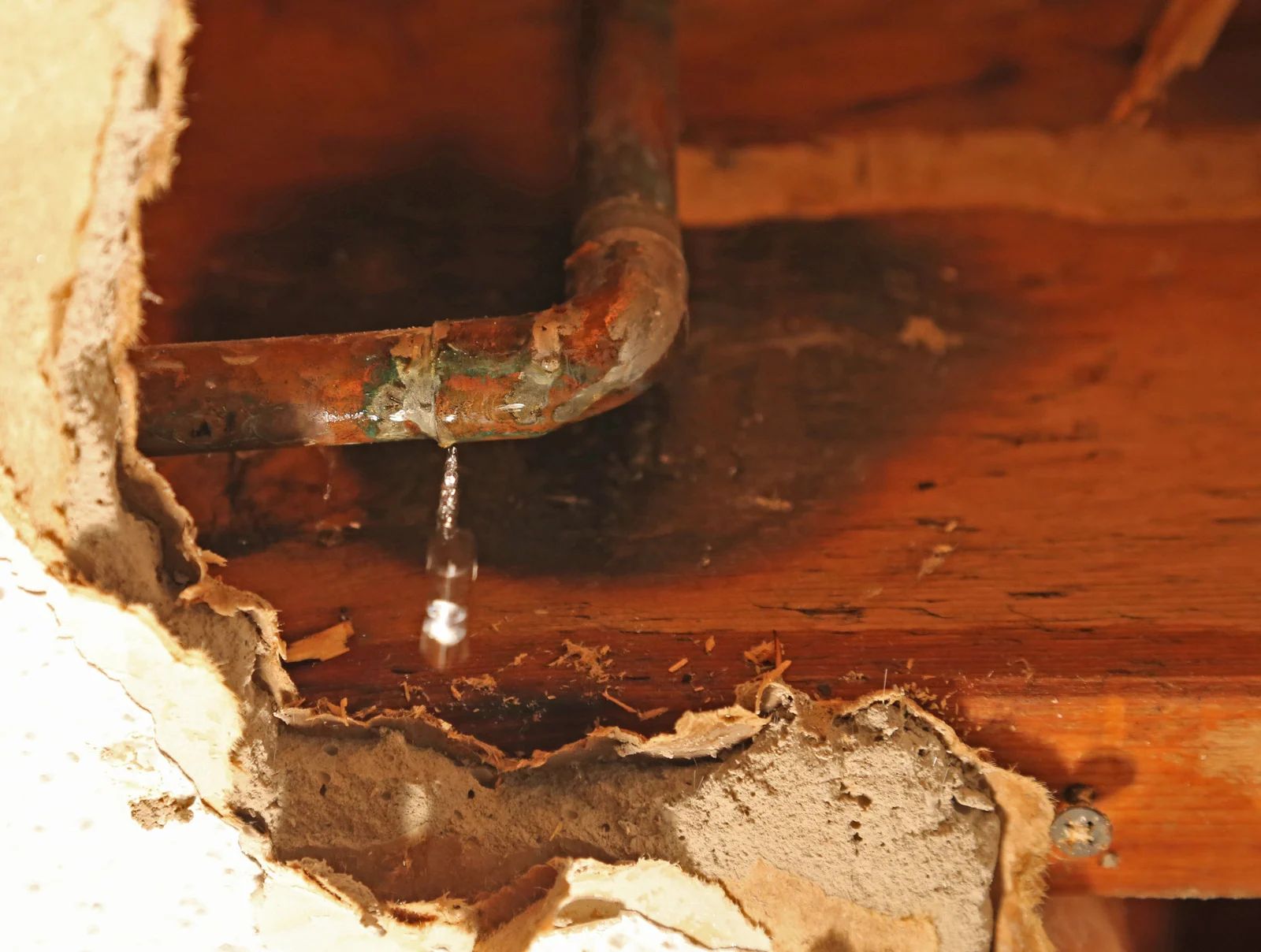
Quick Answer: A restaurant kitchen goes quiet mid-lunch rush because a grease trap backs up into the prep sink. A medical office two floors above a burst supply line watches water stain the ceiling tiles over an exam room. A grocery store's walk-in cooler drain floods the stockroom an hour before a delivery truck arrives. None of these started as a large problem. Each one started as a single failed component, and each one shut down far more than the room it happened in.
That is the difference between a plumbing emergency in a house and one inside a commercial building. A home's plumbing system serves one household, so a leak or clog is usually contained to where it started. A commercial system serves dozens of fixtures, several departments, and sometimes multiple tenants running through the same lines. When one part fails, the rest of the building often feels it.
Why Commercial Systems Fail Differently Than Residential Ones
A single-family home typically has one main line, one water heater, and a handful of drains feeding into a shared stack. Commercial buildings are built on a different scale. Office towers, restaurants, grocery stores, medical facilities, and schools run branching networks of supply lines, drainage runs, and backflow devices that all tie back to shared infrastructure.
More Fixtures On Fewer Mains
A multi-tenant building might route dozens of sinks, toilets, and floor drains through a small number of main lines. A blockage or break in one of those mains does not just affect the fixture nearest it. It affects everything downstream.
Shared Systems, Separate Operations
A restaurant, a salon, and a dental office in the same strip center often share a sewer lateral even though they run completely separate businesses. A backup in that shared line can take all three offline at once, even though only one tenant caused it.
Equipment Tied To Daily Operations
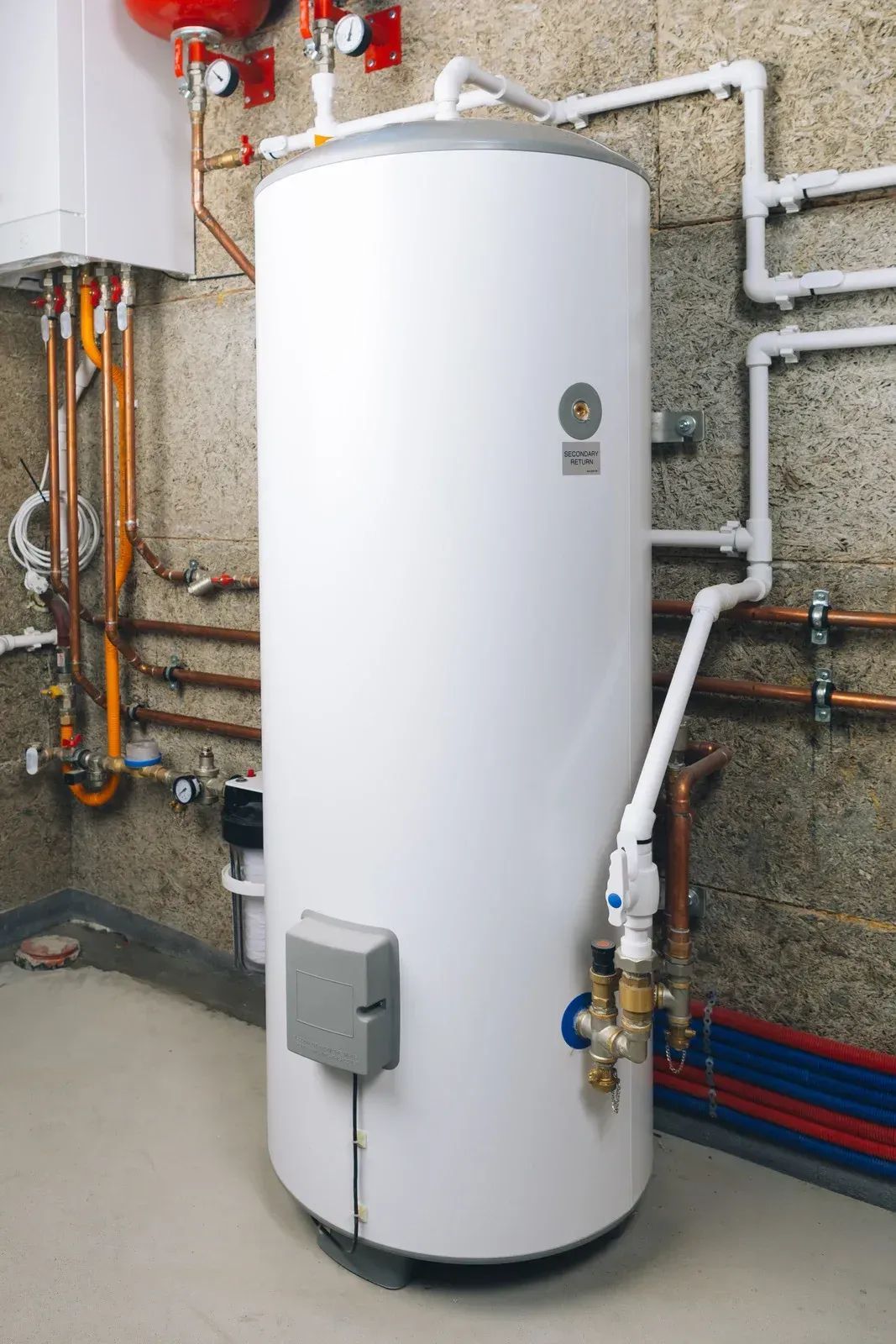
Grease traps, backflow preventers, and commercial water heaters are not optional extras. They are load-bearing parts of daily business. When one goes down, whatever depends on it, whether that is food service, sterilization, or basic handwashing, goes down with it.
The Shared Infrastructure Problem
Backflow devices, main lines, and drainage infrastructure carry the highest risk in a commercial emergency because so much depends on so few components. A backflow preventer protects the clean water supply for an entire building. A main line carries waste for every unit tied into it. A single drainage run might handle output from a kitchen, a mechanical room, and a set of restrooms all at once.
This is why response order matters during a commercial emergency. Stabilizing the shared systems first, rather than treating each fixture as its own isolated problem, is what keeps a single failure from becoming a building-wide shutdown.
How Failures Cascade Across Tenants and Departments
The cascade effect shows up differently depending on the type of building.
Restaurants And Grocery Stores
A grease trap failure or a floor drain backup does not stay in the back of house. It reaches walk-in coolers, dry storage, and prep areas, putting food safety and daily service at risk within minutes.
Medical And Dental Offices
Sterilization equipment, exam rooms, and handwashing stations all depend on a working water supply. A leak above one exam room can force an entire floor to reroute patients while the source gets found and stopped.
Schools And Government Buildings
These facilities often run older plumbing installed decades before current occupancy loads existed. A single blocked main can affect restrooms, cafeterias, and mechanical rooms across an entire wing.
Multi-Tenant Office And Retail Space
Property managers frequently discover that a leak reported by one tenant traces back to a shared line serving several units, meaning the fix has to account for everyone connected to it, not just the unit where the water first appeared.
What Makes Muskego and New Berlin Commercial Buildings Particularly Exposed
Southeastern Wisconsin's building stock adds another layer to this. Many commercial properties in the Muskego and New Berlin area were built decades ago and have been renovated, expanded, or re-tenanted multiple times since. Plumbing that was sized for one set of tenants often ends up serving a very different mix of businesses today, without the underlying infrastructure being resized to match.
Winter adds further strain. Unheated zones such as loading docks, mechanical rooms, and storage areas are common in commercial buildings, and pipes running through those spaces face repeated freeze and thaw cycles that residential plumbing rarely experiences to the same degree. A pipe that survives one winter under light stress can still fail the next season if that stress repeats.
Structured Response: Why Assessment Order Matters
When a commercial plumbing emergency call comes in, the first minutes are spent identifying which systems are shared and which are isolated. Main lines, backflow devices, and drainage infrastructure get assessed first because stabilizing those protects every fixture and tenant connected to them. Only after the shared systems are stable does the work shift to the specific point of failure.
This structured approach is different from how a residential call typically runs, where the technician can usually go straight to the single fixture involved. In a commercial setting, skipping that initial system-wide assessment risks solving the visible problem while missing a shared component that will fail again within days.
Frequently Asked Questions
Why does a plumbing problem in one part of a commercial building sometimes affect areas that seem unrelated?
Many commercial fixtures connect to shared main lines, drainage runs, or backflow devices rather than running independently. A failure in one of those shared components can surface in a completely different part of the building from where the actual problem started.
Do multi-tenant properties need a different emergency response than single-tenant buildings?
Yes. Multi-tenant properties often share sewer laterals, backflow devices, or main supply lines across units that operate as separate businesses. Response has to account for every tenant tied into the affected system, not just the unit where the issue was first reported.
Why are grease traps treated as an emergency priority for restaurants and grocery stores?
A grease trap sits between a kitchen and the building's main drainage line. When it fails or backs up, it can affect food prep areas, storage, and other fixtures connected to the same line, not just the kitchen sink.
How does an older commercial building affect emergency plumbing response?
Buildings that have been renovated or re-tenanted multiple times often have plumbing that was sized for a different set of occupants than the ones using it today. That mismatch between original design and current demand is a common source of unexpected failures.
Why do unheated areas like loading docks and mechanical rooms see more freeze-related plumbing failures?
Pipes running through unheated commercial zones go through repeated freeze and thaw cycles each winter. That repeated stress makes those sections more likely to fail over time compared to pipes in consistently heated spaces.
The Value of Understanding How Systems Connect
Commercial plumbing rarely fails in isolation. A blocked main, a struggling backflow device, or an overwhelmed drainage run can affect tenants and departments that never see the original problem, only its downstream effects. Recognizing how these shared systems connect is the first step toward a response that actually holds. Property managers and business owners who understand this interconnected reality are better equipped to spot early warning signs and avoid a fix that resolves one symptom while leaving the real cause untouched.
CZ Plumbing
has spent 30
years learning how commercial systems in Muskego, WI, behave under pressure, from aging main lines to backflow devices carrying more load than they were ever sized for. That experience shapes every emergency call, guiding decisions about what gets stabilized first and what can wait until the immediate risk has passed. For businesses across Southeastern Wisconsin, that structured approach is often what separates a lasting repair from a problem that quietly resurfaces a few weeks later.