How a Commercial Plumbing Remodel Can Affect Your Building's Resale or Lease Value
Walk into almost any commercial building that has sat on the market longer than expected, and the story behind the listing price often starts inside the walls. A prospective buyer or tenant brings in their own inspector, the inspector opens a utility closet or crawls under a raised floor, and suddenly a deal that looked solid starts to fall apart over pipe condition, water pressure, or the age of a water heater that should have been replaced two ownership cycles ago.
A commercial plumbing remodel is one of the few building improvements that works on two levels at once. It removes a liability that can stall or kill a sale, and it adds a genuine feature that serious tenants and buyers recognize as real value. The difference between a building that appraises at its asking price and one that gets negotiated down by 10 to 15 percent often comes down to what the plumbing system looks like on inspection day.
What Buyers and Tenants Actually Look at During Due Diligence
Most commercial property owners think of plumbing as invisible infrastructure. Buyers and commercial tenants think of it as risk exposure.
When a prospective buyer commissions a commercial property inspection, the plumbing system gets scored across four main categories: pipe material and estimated remaining lifespan, water pressure consistency across all fixtures, visible or suspected leak history including water staining and efflorescence on concrete, and the age and condition of water heating equipment. A building with galvanized steel supply lines installed in the 1970s carries a different risk profile than one with copper or PEX installed within the last decade. Inspectors know this, and so do the attorneys reviewing the purchase agreement.
Commercial tenants approach it differently but arrive at the same concern. A restaurant tenant, a medical office, or a light manufacturing operation all depend on consistent water pressure and drainage capacity. If a building tour reveals corroded shut-off valves, undersized drain lines, or a water heater that runs out of capacity by midday, that tenant will either walk away or use those observations to negotiate a lower base rent or require the landlord to fund the work before move-in.
In Muskego and the surrounding Waukesha County market, many commercial buildings were constructed or last updated during the 1980s and 1990s. That means a significant portion of the commercial inventory is carrying supply lines and water heating systems that are now 30 to 40 years old. When those buildings come to market, plumbing condition is almost always part of the negotiation.
The Systems That Have the Biggest Impact on Appraised Value
Not every plumbing upgrade moves the needle equally. Experienced commercial appraisers weigh systems differently depending on how directly they affect building function and tenant operations.
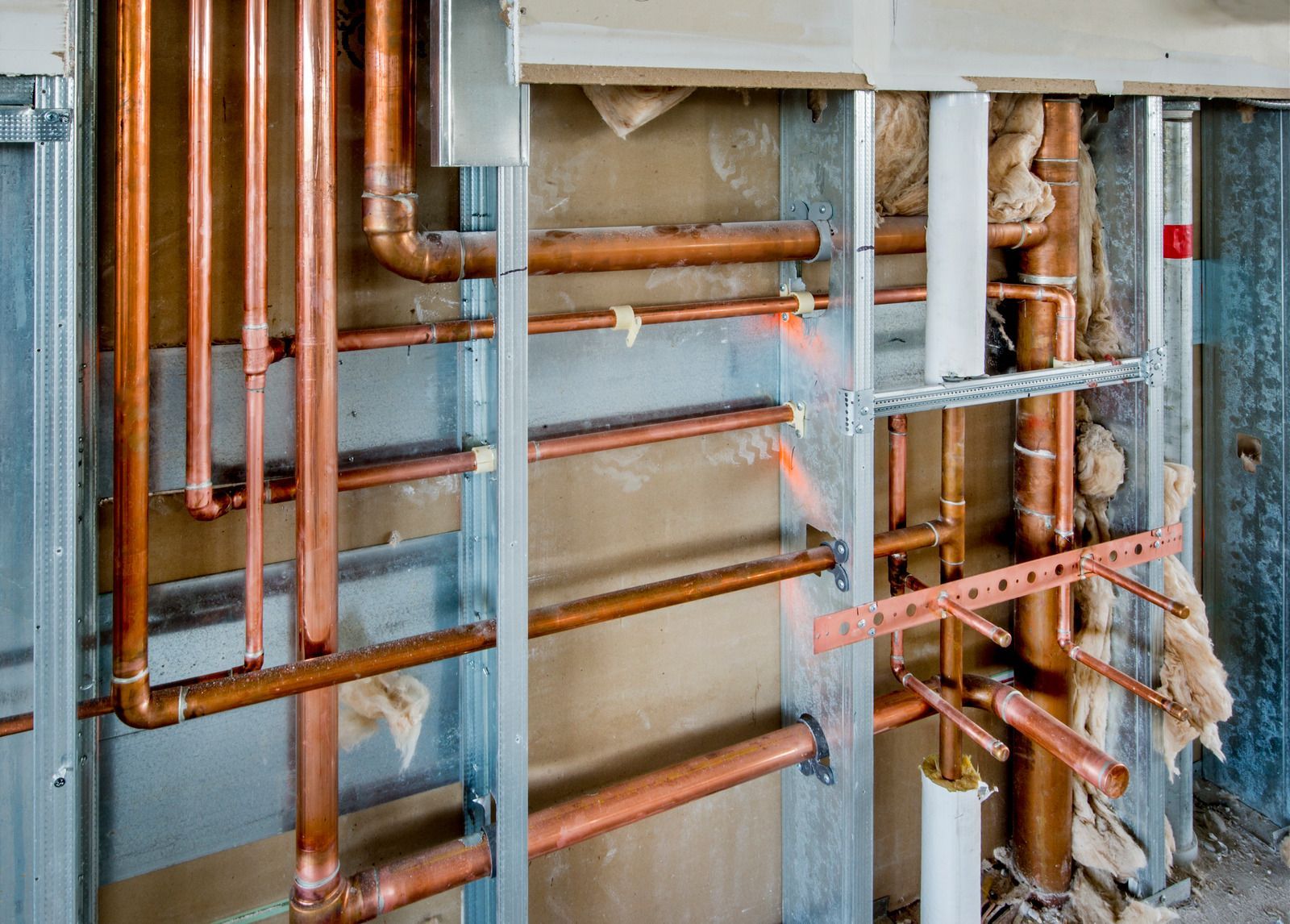
Supply line material and condition carries the most weight in a commercial appraisal context. Galvanized pipe corrodes from the inside, and by the time exterior rust is visible the internal diameter has often narrowed by 40 to 60 percent. That restricts flow to every fixture in the building. Replacing galvanized with copper or commercial-grade PEX is one of the most defensible investments a property owner can make before listing, because it directly removes a line item that would otherwise appear in the buyer's inspection report as a capital replacement requirement.
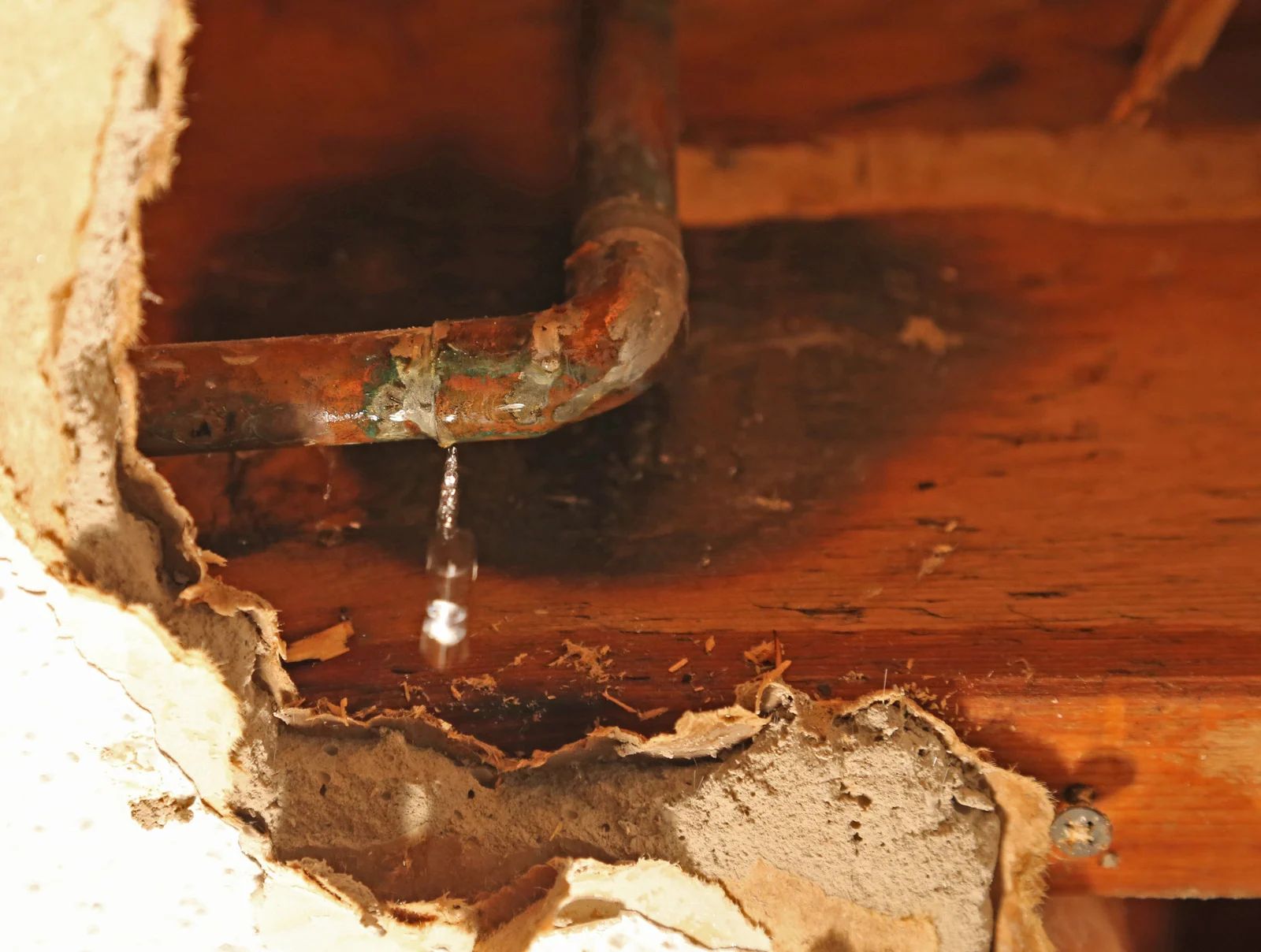
Drain and sewer line integrity matters almost as much. Cast iron drains installed more than 40 years ago are approaching the end of their reliable service life. In Wisconsin's climate, freeze and thaw cycles stress any underground or exterior run, and Waukesha County's soil composition can accelerate corrosion on unprotected lines. A camera inspection that documents clean, intact drains is a marketing asset. A camera inspection that reveals root intrusion or cracked sections is a number the buyer will subtract from their offer.
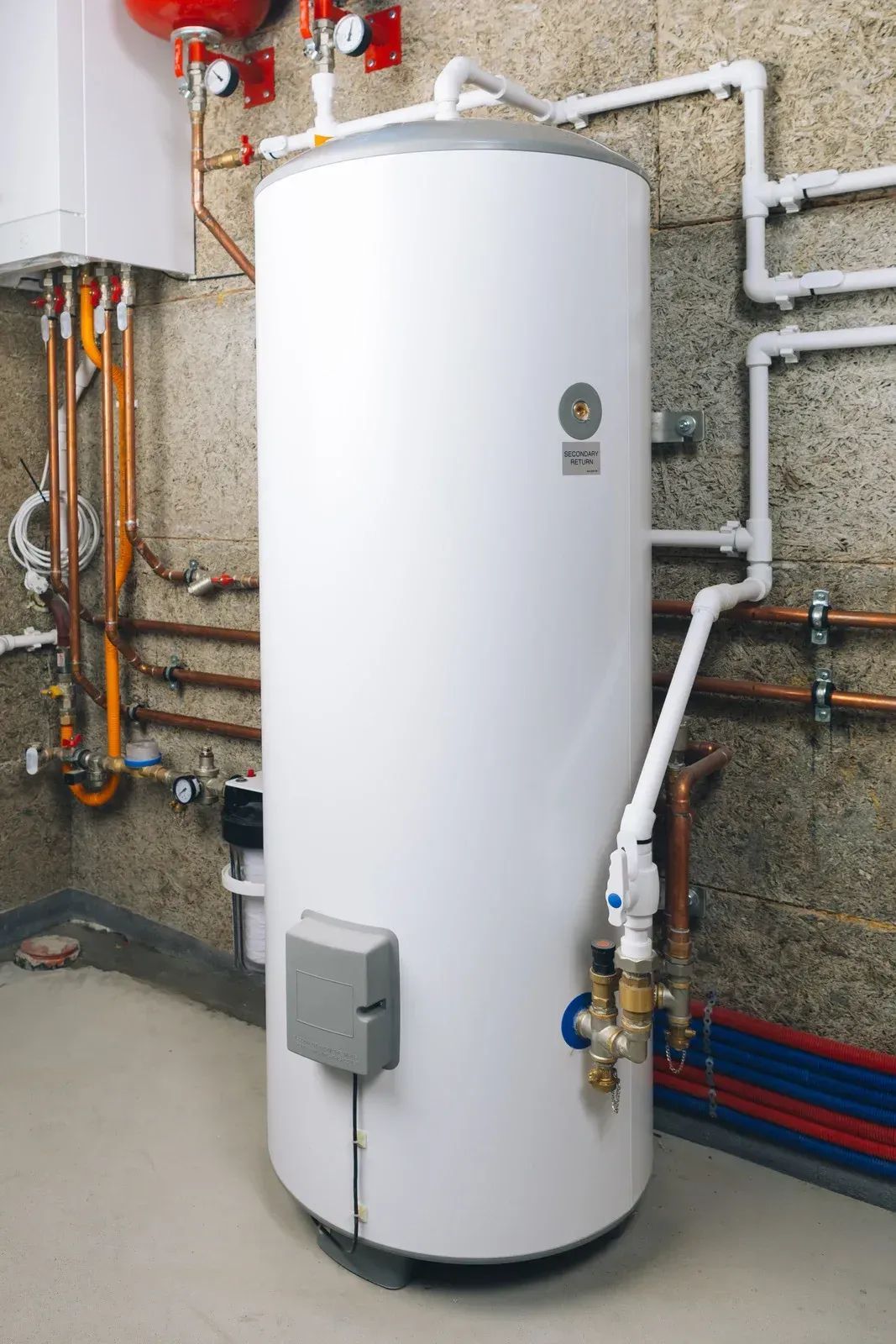
Water heating capacity directly affects what tenant types can occupy the building. A commercial building with a single standard water heater is limited in what it can support. Upgrading to a commercial tankless system or a properly sized tank unit with documented capacity opens the building to a wider range of tenants, which directly expands the pool of potential lessees and improves lease rate leverage.
Fixture condition and ADA compliance rounds out the list. Older commercial restrooms with fixtures that predate current accessibility standards create a known capital obligation for any buyer or tenant planning to open to the public. Addressing those fixtures before listing removes an objection before it gets raised.
Where Muskego Property Owners See the Biggest Returns
The commercial real estate market in Muskego sits at an interesting intersection. The city's position along the I-43 and Highway 45 corridors makes it attractive for light industrial and mixed-use commercial tenants who have options across the Waukesha and Milwaukee County markets. That competition means buildings that show well on inspection close faster and at stronger prices than buildings that hand the buyer a punch list.
On service calls at commercial properties across this corridor, we consistently find that buildings where the owner invested in plumbing upgrades within the three to five years before listing see less negotiation pressure on price. The reason is mechanical: there are fewer unknowns for the buyer's inspector to flag, fewer contingencies in the purchase agreement, and a shorter due diligence period because the documentation exists.
A full supply line replacement in a 5,000 to 10,000 square foot commercial building typically takes three to five days of work and produces documentation showing materials, installation date, and expected service life. That paperwork goes into the disclosure package and removes plumbing from the list of concerns a buyer's attorney will flag.
What a Commercial Plumbing Remodel Actually Involves
A commercial remodel is not a residential job scaled up. The scope depends on building size, occupancy type, and current system condition, but the core elements follow a consistent process.
We start with a full system assessment: pressure testing on supply lines, camera inspection on drains, documentation of all fixture locations and current conditions, and an evaluation of water heating capacity against the building's actual demand profile. That assessment produces a prioritized scope of work rather than a blanket replacement recommendation.
From there, remodel work typically falls into three tiers. First priority is anything that would fail a standard commercial inspection: corroded supply sections, compromised drain runs, failing shut-off valves, or undersized service lines. Second priority covers capacity upgrades that expand tenant options: water heater replacement, pressure regulation, and backflow prevention where required. Third priority addresses fixtures, accessibility, and any aesthetic elements that affect how the building presents during tours.
In Wisconsin, commercial plumbing work requires licensed contractors and permit documentation. Buyers and tenants both ask for permit records as part of due diligence. Work done without permits creates a disclosure problem that can be more expensive to resolve at closing than the original job would have cost.
Trusted Muskego Plumbers Who Understand Commercial Property Value
The core principle here is straightforward: your plumbing system is not invisible to the people evaluating your building. In Muskego and the broader Waukesha County commercial market, where a meaningful portion of inventory was built or last updated 30 to 40 years ago, plumbing condition is one of the most common variables separating a clean transaction from a prolonged negotiation or a failed closing.
CZ Plumbing
has handled
commercial plumbing remodels
and pre-sale system assessments for property owners across Muskego, Wisconsin for 30
years. If you are preparing a commercial property for sale or lease and want an honest assessment of where your plumbing system stands, contact us to schedule a full commercial inspection before your listing goes live.
Frequently Asked Questions
How much does a commercial plumbing remodel typically add to a building's appraised value?
The value impact depends on what gets replaced and how close the existing system was to failure. Eliminating flagged corrosion from an inspection report can prevent buyers from subtracting projected replacement work from their offer, often preserving 8 to 12 percent of the purchase price.
How long does a commercial plumbing remodel take, and can the building stay occupied during the work?
Most commercial remodels in the 3,000 to 10,000 square foot range take five to ten business days. We sequence work to maintain partial occupancy where possible, coordinate shutdowns during off-peak hours, and schedule full replumb projects on vacant buildings across two to four weeks.
Does a commercial plumbing remodel need permits in Waukesha County?
Yes. Any commercial plumbing work beyond fixture-level repairs requires a permit through the relevant municipal authority. For Muskego properties, permit documentation transfers to the new owner at closing. Buyers and lenders expect those records, and missing permits can delay or derail a transaction entirely.
What plumbing issues most commonly show up in commercial property inspections in Wisconsin?
We most frequently document galvanized supply line corrosion in older buildings, cast iron drain degradation from freeze-thaw stress, water heaters that have exceeded their rated service life, and failed backflow preventers on utility connections. Any of these findings gives a buyer grounds to renegotiate the purchase price.
Is it worth doing a plumbing remodel on a commercial building you plan to lease rather than sell?
Yes. Tenants in the Muskego and Waukesha County market, especially food service and medical office operators, conduct pre-lease inspections. Documented recent plumbing work commands stronger lease rates, attracts more qualified tenants, and reduces ongoing maintenance obligations that would otherwise cut directly into net operating income.